MadameQueenofPolicy
Stephanie St. Clair ran one of Harlem’s biggest numbers banks, took on Dutch Schultz, and bought space in the Amsterdam News to tell readers their rights and tell her enemies off. Here are three ways in, each built on a real document.
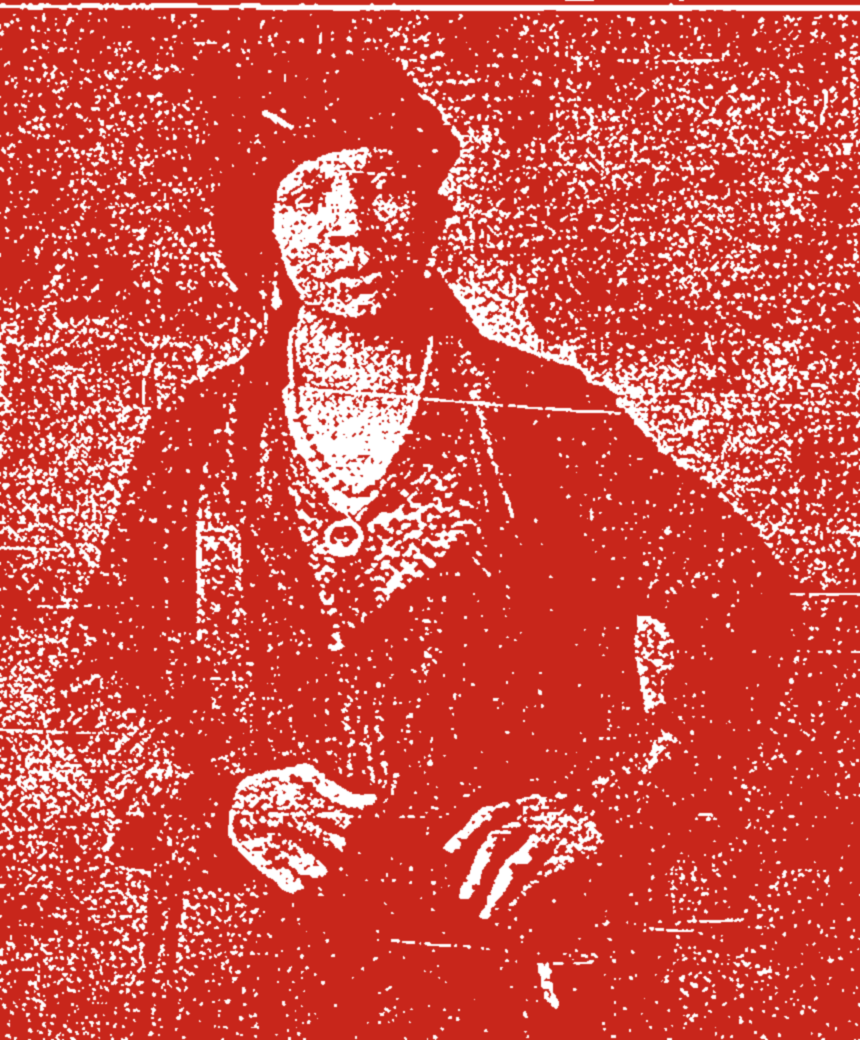
The Number
Tell a policy dream book from 1892 what you dreamed. It answers in its own words and gives you three numbers. Then scratch your slip for twelve pieces of her life.
Ask the book 896
Play 1930
Bet on a real day in the last weeks of 1930. The number comes in from that day’s paper, and on the days she testified, so does she. Your ledger keeps the score.
Go to the board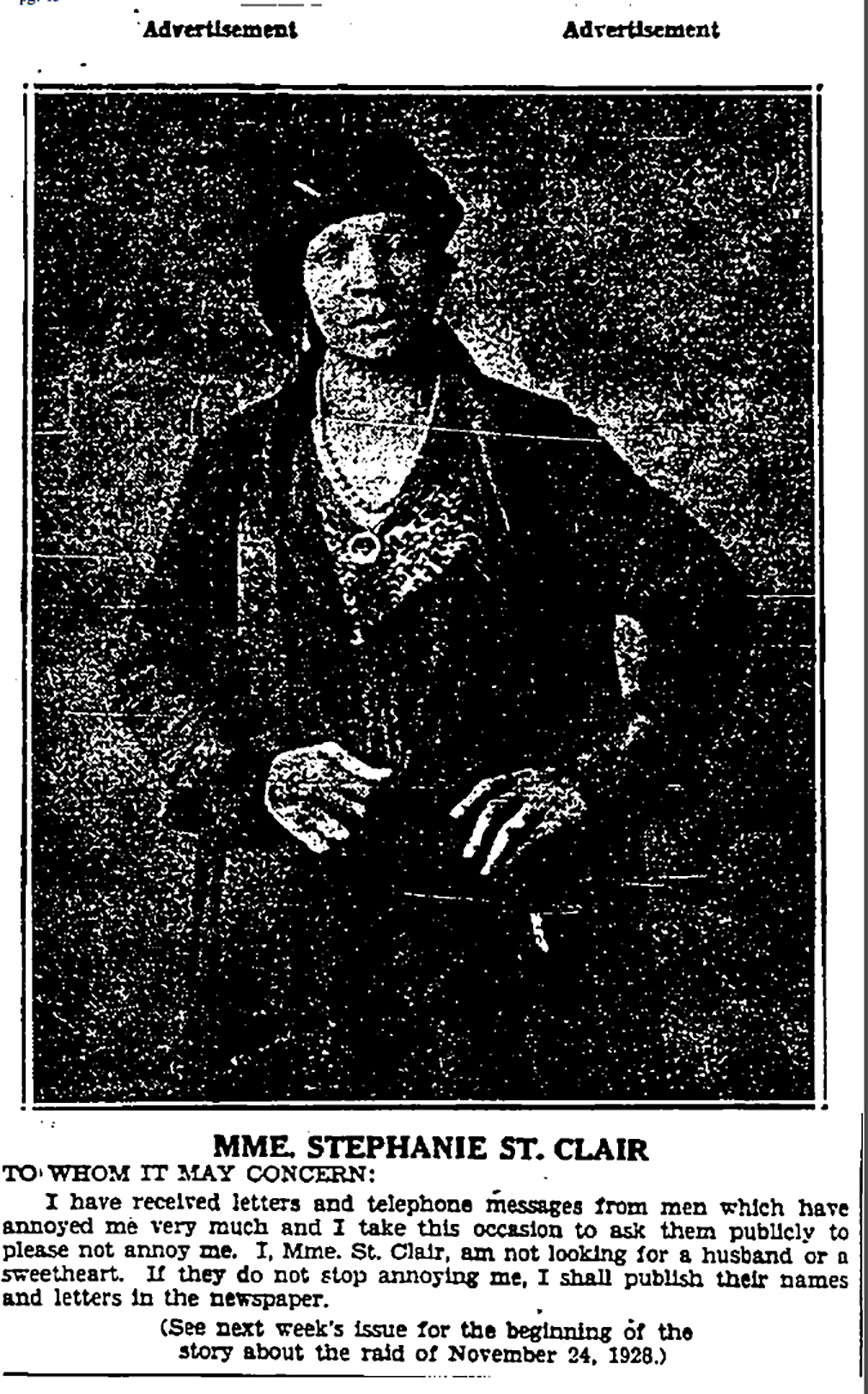
The ad she bought, read off the page, and twelve clippings about her from 1930 to 1938, from her testimony to her sentencing.
Read the sheetWhy numbers
Shut out of banks and most legal business, Black Harlem built its own lottery. Historian Stephen Robertson calls it “the biggest Black business” of the time. It was also gambling, and most bets were lost.
How we tell it
She speaks only in words she printed or was quoted saying. Every claim carries a stamp: true story, to check, or sources disagree. Where the record runs thin, we leave the gap showing.